Our Class

Friday, April 08, 2005

Our Class 2007

Visit our class blogs: Our Class 2005 , Our Class 2006 and Our Class 2007. You will find lots of new activities and links to all the students' blogs, where they write some of their work.


I've deleted all comments from last year on Our Class (2004). New students will be able to do the activities on this blog (without looking at the answers!). We can talk about how to write the answers in class.

See you very soon!

Labels: , , ,

Sunday, March 27, 2005

St Mary's Cathedral, Sydney

Labels: , , , ,

Tuesday, February 22, 2005

MEC Glossary

ESP: English for Specific Purposes
MEC: Multicultural Education Coordinator
acting: doing a job for a definite period of time usually to stand for another person who holds the position in a permanent basis.
a range of: a variety of
appropriate: suitable for, adecuate
currently: at the moment, in this period in time
ISLPR: an international measuring scale to assess a person's English level in speaking, listening, reading and writing
NESB: people of non English background
mainstream course: general, for every one, not only for NESB students
tutorial support: small study groups with a teacher who provides additional help
to vary:
to change
demand:
asking for a service to be provided
study pathways:
the sequence of courses a person wants to follow

Labels: , , ,

Thursday, January 06, 2005

Tsunami

We are all on holidays from our course, but I know that all of the students in our class are thinking of the the thousands of people affected by the tsunami.

I was sent a very good article on what to do to help by Intrepid Express, an online travel magazine. Read what they say:

Here are some ideas for ways that you can help...

  • Ask your company to make a corporate donation.
  • Organise an employee event.
  • Spread the word and ask your friends and family to donate - you could always have a BBQ and put a donation jar on the table.
  • Change your email signature to include a link to tell people how to donate.
  • Print some donation forms and have them handy for whenever it comes up in conversation.
  • If you belong to a club or group, mobilize them to raise funds for a tsunami relief appeal.
  • Distribute brochures at your local library, doctor's office etc.
  • Contact local charities and volunteer to work in call centres or do administrative tasks.
  • If you want to volunteer to help out in the regions affected, please contact registered aid agencies as the relief needs to be coordinated and they will be able to advise if there are any vacancies. Your country's volunteer agency may be setting up a registry of organisations seeking in-country support, but language skills are normally considered a pre-requisite.
  • Aid agencies are working around the clock in an effort to find homes for orphans in their local communities. Adoption is considered a very last resort and the least positive alternative for the children, so you may want to consider sponsoring a child or donating to organisations that are specifically focused on the needs of children, such as Plan and Save the Children.
  • If you are travelling to Thailand, you can donate suitable clothing, sheets and blankets. The government has set up many collection sites and a number of companies have donated transport to get the goods down to the South. A huge thanks to the passengers who have already donated a lot of goods.
  • Blood donations - there has been a huge response throughout Thailand, so for the time being supplies are sufficient. But if travelling in other affected countries they may be in need of blood donors.

They have set up an appeal (asking for money for a charity) on The Intrepid Foundation- Asian Tsunami Appeal

You can go to this site Understanding Tsunamis at Discovery School and have a look at videos that explain how tsunamis are formed.


Labels: , , ,

Monday, January 03, 2005

Happy New Year


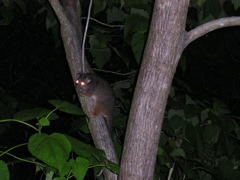
My friends took this photo of a possum
that they found in their garden on New Year's Eve.


Happy 2005 !

If you feel like reading a bit about the terrible disaster affecting so many countries near Australia, you can go to this blog: Tsunami Help . They have news, links to charity organisations asking for help, etc.

Labels: , , ,

Thursday, December 23, 2004

Christmas Webquest


Merry Christmas and a peaceful 2005! Australian map from Wendy's homepage

If you get bored these holidays, try this interesting webquest (click on the title above).
If, on the other hand, you feel a bit lazy, just click here and explore different parts of the world and how they celebrate Xmas. You could go to my country, Spain, and find out what "the Mass of the Rooster" is or what "hogueras" are.
You could also read about your own country (in English!) and tell us about some of its traditions for this time of the year.(Write in comments)

For those of you who don't know about Christmas in Australia, go to this interesting site, Christmas in Australia, and read about many different aspects of an Aussie Christmas.

Labels: , , ,

Thursday, November 25, 2004

Update

......................................

Cheers, Rosa


Labels: , , ,

Wednesday, November 24, 2004

To Parramatta by boat


Ferries at Circular Quay

"When I had enough money I wanted to visit Rose at Parramatta but I didn't want to travel by train. I was frightened of trains. I wanted to travel up the river by boat. People said the trip was very nice" ('Mary's Story', Unit 13)

On Wednesday 24th November, 2004 a small group of students from our class (Esraa, Jorge, Olga, Silvia and and Sohaila) and two of the teachers, Marion and Rosa, went to Parramatta by ferry. The ferry is called the RiverCat and it takes 50 minutes to get there.

While we travelled along the Parramatta River we stayed inside because it was raining. We looked outside the windows and saw the green banks of the Parramatta River. When it stopped raining, we went outside and took many photos.

We arrived at Parramatta and walked along the river. On the footpath there were Aboriginal paintings about the history of Australia since the First Fleet. One of the paintings shows the fight between Aboriginal people and white people, another shows white people taking Aboriginal children away from their families.

Next we went to the Heritage Visitor Centre, where we saw an exhibition about the history of Parramatta.From there we walked over an old sandstone bridge, called the Lennox Bridge, to go to Parramatta Park. On the way we saw the centre of the city, which was very busy and nice.
We entered the park through a gatehouse. We were walking to a table in the middle of the park, but a young couple was walking towards the same table. Suddenly Marion started running and beat them. We couldn’t believe how fast she could run!


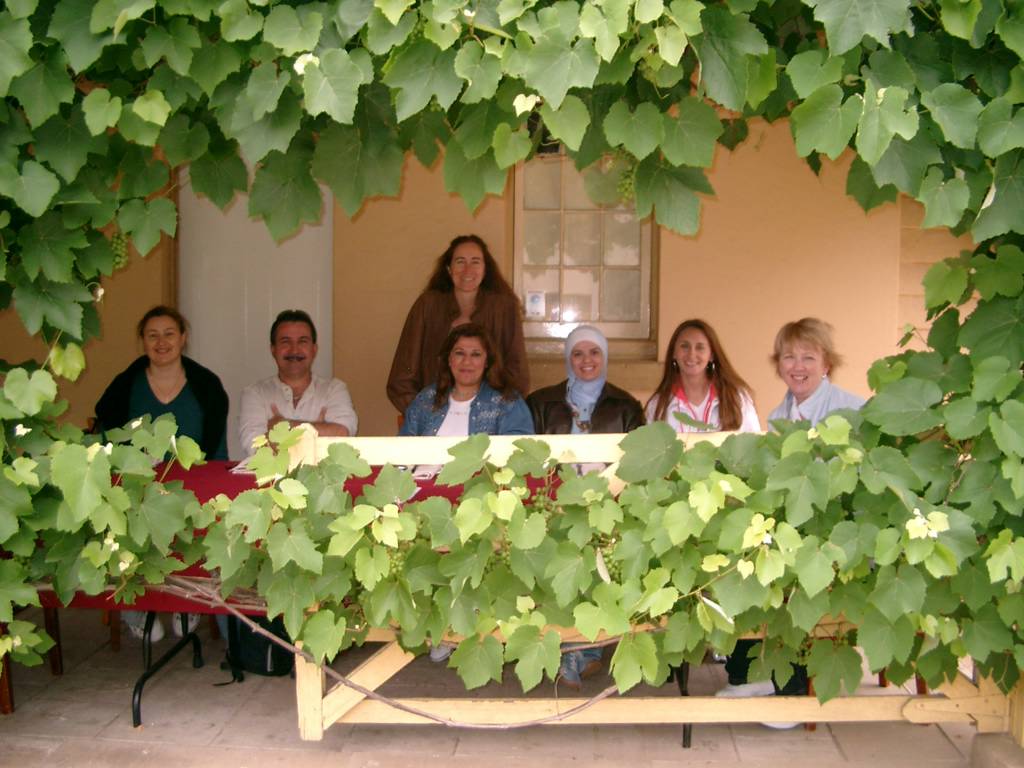
We had a fantastic lunch with food from five different countries, (Russia, Colombia, Uruguay, Egypt and Jordan). We talked and laughed a lot. When we finished lunch we went to the restaurant in Old Government House and had coffee and cakes. The waiter took some photos because the place was very nice. There was a vine framing the verandah where we were sitting.

Finally we headed back home. Most of us caught the train, but Olga and Silvia stayed shopping. The day was great, we saw interesting things, we talked a lot in English and mainly, we had a lot of fun.

Olga, Silvia, Jorge

Interesting things we learnt:

  • The original inhabitants of Parramatta were the Aboriginal group Burramattagal ("burra" means eel and "matta" creek)
  • Reconciliation was first talked about as early as 1803.
  • Can you tell us more...?


Labels: , , ,

Lunch and Coffe at Old Government House

For lunch we went to Parramatta Park, where we had a fantastic picnic. More of that tomorrow in your classmates' words...

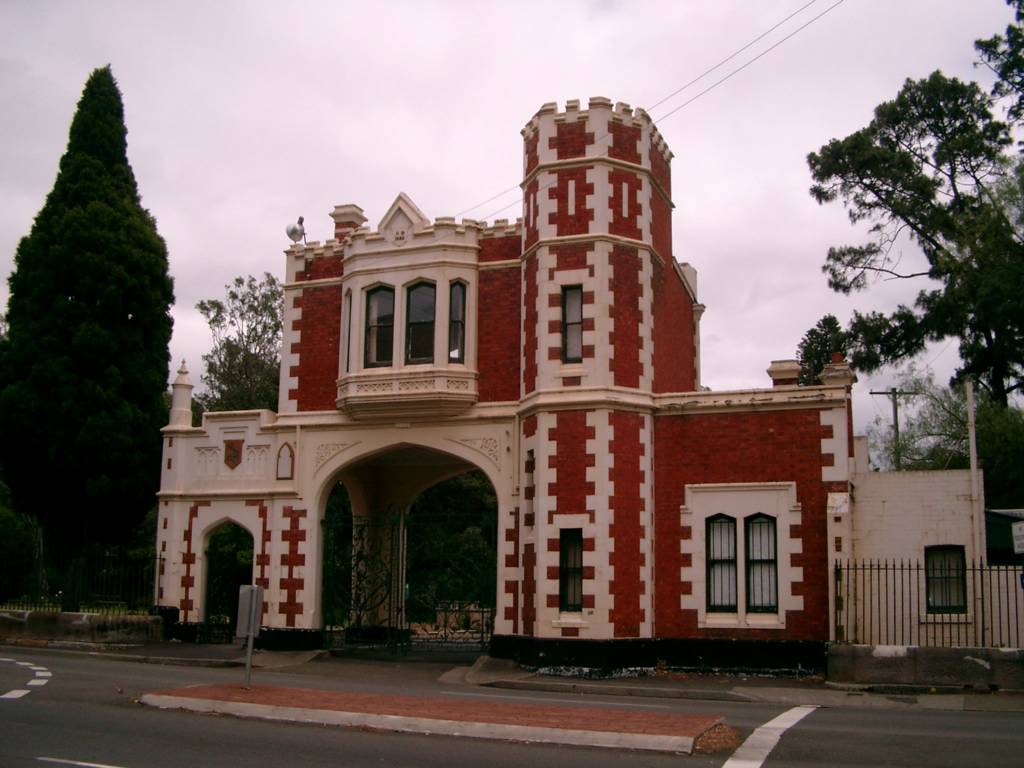
Tudor Gate House, entry to Parramatta Park (1887)


Old Government House (built 1799-1818)
Read about it on this link and the link above.
After you read the information, write 5 questions and send them in comments.
Another day, you can read your classmates' questions and post the answers in comments.
That way you can revise what you've learnt about writing questions.
Remember the 4 steps:

  1. Find the SUBJECT & VERB
  2. What type of verb is it? Auxiliary/modal or full verb?
  3. What tense?
  4. Is it a subject question or an object question? ...........Have a nice holiday!


Waiting for coffee

Olga Silvia and Jorge after coffee


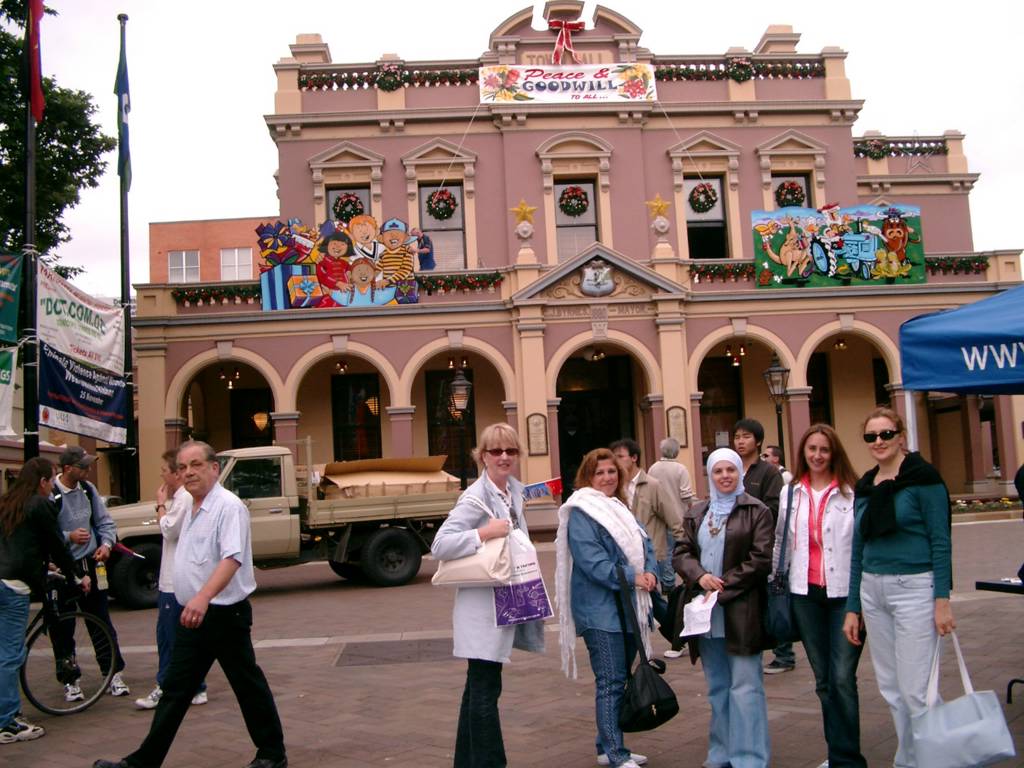
Parramatta Town Hall (1883) on the way to the train station

Labels: , , ,

Parramatta River

Parramata River


Parramata River

Can you write a paragraph explaining the differences in these two photos?
Try to give reasons for them (think of Mary's Story, set around 1864!)

Labels: , , ,

The Riverside Walk Paramatta


Jorge on the Riverside Walk


Esraa, Sohaila, Olga and Silvia


Soldiers ready to shoot Aboriginal warriors


Lennox Bridge (built 1836-1839)

Labels: , , ,

Friday, November 19, 2004

Photoguess


Guess what these things are and write the answer in comments.
All the photos are something you know or you have seen many times.
You can ask each other and your teachers for clues.

Good Luck!

Hi kalpana. You were right, it was our shirts!


Here is a photo to prove it! Esraa and Sohaila realised it was my shirt when they saw it on me yesterday (24th Nov, 2004). We had a very nice day. You can read all about it when I publish what they wrote this morning in class. It's great to hear from you. I hope everything is OK in your new house, suburb, etc. Do keep in touch and keep an eye on our blog. It will have new things to write about.
Cheeers from all of us!

Labels: , , ,

Sunday, November 14, 2004

101 ANSWERS

OK! Thanks Esraa, Sohaila and Olga for giving us more ideas! We now have 67 ideas divided into the 4 Skills (Listening, Speaking, Reading and Writing).

If you can add any new ideas, post them in comments. If you can't, don't worry, just think of the best 10 ideas and write them in comments. We will see if all the students in the class have similar or different opinion about how to practice and improve you English outside class.

LISTENING

1. Listen to the radio inside the kitchen.
2. Listen to the radio in the car.
3. Watch T.V. after dinner for about 20 minutes
4. Watch the news every night.
5. You can listen to the radio when you cook.
6. Listen to the TV when you do your housework.
7. You can watch TV with teletext.
8. You can watch children's shows.
9. You can watch DVDs and read the subtitles in English.
10. You can listen to some songs when you do your homework.
11. Listen to people on the street.
12. You can go to the church to listen to the Pastor talk about Day by Day with God.


SPEAKING
13. You can talk on the telephone.
14. You can phone trades people when things need to be fixed.
15. You can phone the real estate agent if you need anything to be fixed.
16. You can talk with your family.
17. You can talk with your friends.
18. You can talk about the weather.
19. You can talk about your countries.
20. You can talk about your family.
21. You can talk about TV programs.
22. You can talk about movies you’ve seen.
23. You can talk about your life in your country of origin.
24. You can ask for directions.
25. You can give directions.
26. You can go to church and talk with different people.
27. Speak at home for least 2 hours .(English of course).

28. You can speak in the shop with the sales assistant.

29. You can talk to the waiter at a restaurant when you order your food.

30. You can ask the waiter about how the food is cooked.

31. You can talk about recipes with your friends.

32. You can leave amessage on a phone answering machine.


READING
33. Read the newspaper when you travel in a train.
34. Read the newspaper on the bus.
35. You can read the ads (specials, cars, etc) in your local newspaper.
36. You can read novels.
37. You can read poetry.
38. You can read teletext when watching TV.
39. You can read the subtitles on SBS movies.
40. You can read the subtitles when you go to see a foreign movie.
41. You can read subtitles when watching DVDs at home.
42. You can read magazines.
43. You can read the information on food packets.
44. Read recipes in our class blog.
45. Read recipes in magazines
46. Read cook books.
47. Read instructions on electrical appliances.
48. Read instruction for your medicine.
49. Read the doctor’s prescriptions.
50. Read the signs on the streets.
51. Read the signs in a shop.
52. Read the labels in clothes.
53. Read newspapers or magazines when you while for a doctor’s appointment.
54. Help your children with homework.
55. Read and write the e-mails in the computer every day.
56. You can go to the library to read novels.
57. You can read every day about current events in the newspaper.
58. You can go on the Internet and read about many things.
59. You can read about popular pop stars.
60. You can read about important people.


WRITING

61.You can write recipes.You can write a note to your teacher.
62. You can write about your day in your diary.
63. You can write letters to your friends or family.
64. You can write a form.
65. You can write a letter applying for a job.
66. You can write E-mails.
67. You can write in the computer.
68. You can write your shopping list and check the spelling in the shop.
69. You can write postcards.
70. You can write invitations.
71. You can write birthday cards.
73. You can write sympathy cards.

OK! Thanks Esraa, Sohaila and Olga for giving us more ideas! We now have 67 ideas divided into the 4 Skills (Listening, Speaking, Reading and Writing).

If you can add any new ideas, post them in comments. If you can't, don't worry, just think of the best 10 ideas and write them in comments. We will see if all the students in the class have similar or different opinion about how to practice and improve you English outside class.

LISTENING

1. Listen to the radio inside the kitchen.
2. Listen to the radio in the car.
3. Watch T.V. after dinner for about 20 minutes
4. Watch the news every night.
5. You can listen to the radio when you cook.
6. Listen to the TV when you do your housework.
7. You can watch TV with teletext.
8. You can watch children's shows.
9. You can watch DVDs and read the subtitles in English.
10. You can listen to some songs when you do your homework.
11. Listen to people on the street.
12. You can go to the church to listen to the Pastor talk about Day by Day with God.


SPEAKING
13. You can talk on the telephone.
14. You can phone trades people when things need to be fixed.
15. You can phone the real estate agent if you need anything to be fixed.
16. You can talk with your family.
17. You can talk with your friends.
18. You can talk about the weather.
19. You can talk about your countries.
20. You can talk about your family.
21. You can talk about TV programs.
22. You can talk about movies you’ve seen.
23. You can talk about your life in your country of origin.
24. You can ask for directions.
25. You can give directions.
26. You can go to church and talk with different people.
27. Speak at home for least 2 hours .(English of course).

28. You can speak in the shop with the sales assistant.

29. You can talk to the waiter at a restaurant when you order your food.

30. You can ask the waiter about how the food is cooked.

31. You can talk about recipes with your friends.

32. You can leave amessage on a phone answering machine.


READING
33. Read the newspaper when you travel in a train.
34. Read the newspaper on the bus.
35. You can read the ads (specials, cars, etc) in your local newspaper.
36. You can read novels.
37. You can read poetry.
38. You can read teletext when watching TV.
39. You can read the subtitles on SBS movies.
40. You can read the subtitles when you go to see a foreign movie.
41. You can read subtitles when watching DVDs at home.
42. You can read magazines.
43. You can read the information on food packets.
44. Read recipes in our class blog.
45. Read recipes in magazines
46. Read cook books.
47. Read instructions on electrical appliances.
48. Read instruction for your medicine.
49. Read the doctor’s prescriptions.
50. Read the signs on the streets.
51. Read the signs in a shop.
52. Read the labels in clothes.
53. Read newspapers or magazines when you while for a doctor’s appointment.
54. Help your children with homework.
55. Read and write the e-mails in the computer every day.
56. You can go to the library to read novels.
57. You can read every day about current events in the newspaper.
58. You can go on the Internet and read about many things.
59. You can read about popular pop stars.
60. You can read about important people.


WRITING

61.You can write recipes.You can write a note to your teacher.
62. You can write about your day in your diary.
63. You can write letters to your friends or family.
64. You can write a form.
65. You can write a letter applying for a job.
66. You can write E-mails.
67. You can write in the computer.
68. You can write your shopping list and check the spelling in the shop.
69. You can write postcards.
70. You can write invitations.
71. You can write birthday cards.
73. You can write sympathy cards.

Labels: , , ,

Saturday, November 13, 2004

101 How to Improve Your English Outside Class


Four Skills Pictures (click to make it bigger)

101

This is a new game. You have to think of ways to improve your English outside class. Very soon you are going to get many weeks of holidays. You all know how easy it is to just speak your first language with friends and family, and go on for weeks without speaking a word of English.

Think of different ways in which you can use English and write them in comments. When we get 101 ideas, you will choose the best 10 and we will publish them. (I have given you some ideas with the photos above, and I wrote the idea for the first photo of each row)

Ah! Can you tell me what are the four skills involved in using a language?

Labels: , , ,

Sunday, November 07, 2004

To be done

Have a look at this game about the food you cooked for Kalpana's party:

Our dishes

You can also start doing some of the following tasks (exercises, jobs):

1. See if you know how to solve the code for the answers in Oz Quiz (knowing fonts in Word helps)

2. Go to Countries (Tuesday, October 12, 2004) and using the links about Australia, work in pairs to write questions about Australia and your own countries. Next week we will put them together to post a quiz on Our Class blog.

3. Go to Adult Study Centre, ESOL, ESOL2, Report Writing: Places, and you can do the exercises on Huesca: dragging, matching, and cloze.

4. Go to Descriptions of people and choose one of the photos and write a description.

5. You can also do some of the games on adjectives. You will find below the three photos.

6. In Going Global (Monday, October 11, 2004) you can answer the questions about the language of e-mails. See if it is the same as the language for writing letters that we have studied in class.

Labels: , , ,

Friday, October 29, 2004

Kalpana's farewell party


Kalpana and Silvia..Rosa, Kalpana and Marion


Lunch


Read the report about the day. It was written by all the students in the class.

Last Thursday was the last school day for our classmate Kalpana, who was moving to a new suburb.

We had a surprise farewell party for her. Everybody brought traditional food. There were alfajores form Uruguay, a winter salad from Russia, konafa from Jordan, dumplings from China, filo pastry with mince meat and honeymoon biscuits from Egypt. Also Yimin made a cake and Jorge brought some drinks.

Rosa took photos because the table looked very nice.

Everybody had a very nice lunch and tasted different food.
Rosa and Silvia took many photos. After we finished lunch, Silvia gave Kalpana a present from the class and teachers and Kalpana gave our teachers a present too. Silvia made a speech to Kalpana.

That day Kalpana looked very nice. She was wearing a beautiful traditional brown Nepalese sari.

All the class enjoyed the time and wished her good luck in the future.


Have a look at some photos from a fun afternoon Silvia and Hawi had at Kalpana's place a while ago.

Hawi in red sari

Silvia in red sari

Silvia in brown sari

Labels: , , ,

Thursday, October 28, 2004

Sydney

This is the description of Sydney our students wrote to practice report writing:

Sydney

Sydney is the capital city of NSW. It is in the south east of Australia.
The population is about 4 million.

It is the oldest and biggest city in Australia. It has many beautiful places, like the Opera House, the Harbour Bridge, Mrs Macquarie's Chair and the Rocks near the city centre. There are many types of restaurants, night clubs, museums and
theatres. It also has attractions like Koala Park, the zoo and an impressive aquarium. Sydney has some of the most beautiful houses in the world and many beaches.

Some of the main industries of Sydney are tourism, entertainment and retail.

Sydney has a temperate climate. The average temperature in summer is 21.7o C and in winter is 12.6oC.

Many people say that Sydney is the best city in Australia.

Labels: , , , ,

More students' Hometowns or Countries

My hometown is Pereira. I was born and brought up there.

Pereira is a medium city of about 700,000 habitants , located in the south-west of Colombia.
Pereira's climate is tropical and humid , perfect combination to mature and give its taste to the best coffee in the world.

Pereira is the capital of the smallest province in Colombia , its name is Risaralda and is part of the coffee zone.

On the 20th of August the celebrations of the coffee fair start . For 2 weeks the city becomes a huge party for every one , young and all . There are concerts , live music, dancing on the streets , bullfights and International Queens come from some countries which produce coffee.

The people of Pereira are warm and very friendly, Pereira nickname is "The city with open doors".

JORGE

Wendy's Hometown

Quan Zhou is my hometown. I was born and brought up there.
Quan Zhou is a city of great antiquity. It is the jumping off point of the Silk Road on the sea, located on the south of China, opposite Taiwan. The Taiwan Strait is between Quan Zhou and Taiwan. The population is about 6.5 million.

The climate in Quan Zhou is subtropical. The average temperature of the year is 18°C-20°C, in summer is 26°C-29°C and in Winter is 9°C-13°C. Many people like to swim in summer.
Every year the 15th day after the Spring Festival is the festival of Lanterns. Quan Zhou's people eat sticky rice balls and there is a lantern show. For a few nights many beautiful lanterns illuminate this beautiful city. People go out to celebrate the day. It's spectacular.
The people of Quan Zhou are kind and friendly. Many tourists from all over the world visit Quan Zhou.

Sohaila's Egypt

Egypt is the largest country in the Arab world, with about 76 million inhabitants. It is located in northern Africa, bordering the Mediterranean Sea, between Libya and the Gaza strip and the Red Sea, north of Sudan and includes the Asian Sinai.

Egypt's climate is arid, hot dry summers with moderate winters.

Natural resources of Egypt are petroleum, natural gas, iron ore, phosphates and zinc.
Cairo is the capital of Egypt. The head of Egypt is President Mohamed Hosni Mubarak . (since 14th October, 1981)

The flag of Egypt consists of three equal horizontal bands of red (top), white and black.

On 23rd July is Revolution Day, all of Egypt celebrates this national day and the 6th October is Victory Day.

There are many places which attract tourism, like the Sphinx, the pyramids, Sharm El Sheikh, Aswan, Luxor and Ghardaya.

The people of Egypt are friendly and warm. Visitors come from all the world to visit Egypt because it is a very nice country.

Noha's Alexandria

Alexandria has had a long history as one of the most culturally important cities on the Mediterranean littoral. It was founded by Alexander the Great in 331 before Christmas. It is located on the north coast of Egypt. It’s the main port of Egypt.

Alexandria has many landmarks, such as beautiful beaches, the Roman museum, Quaitbey Castle, and the biggest ancient library in the world. Alexandria attracts many tourists due to its attractive sites and climate. The average winter temperature in January is 10-20°. This comfortable weather allows people from everywhere to come to Alexandria to enjoy the beautiful weather.

The religion in Egypt is Islamic and Christian. The Muslim and Christian people live in harmony and are tolerant of each other.
The population in Alexandria is about 8 million people. To get to all Alexandria’s many places of interest there is a good network of trains, buses and trams. Alexandria also has a number of suburbs which are very crowded and with heavy traffic.

The average income is not enough to get everything you need. As I’m from Alexandria and love it, I invite you to spend time there. You will remember it for ever.


Labels: , , ,

Students' Hometowns or Countries

Mohamad's Hometown: TRIPOLI

Tripoli is the second largest city in Lebanon following Beirut. It is located in the north of Lebanon and it is the capital of the Northern provinces of Lebanon. Tripoli has a population of about 700,000 and is increasing very rapidly. It is one of the oldest cities in Lebanon along with Saida. The main and the first language spoken in Tripoli is Arabic. However there are minorities that speak English and French.

The centre of the city is called the "Tell" and it is in the entrance of the city in "El Nour Square". Its historical value has given it many historic monuments and sites, like the "Tripoli Castle" and the narrow lanes and streets holding the old shops that vary from original soap making workshops to tailor shops.

There are many important industries in Tripoli, there are also many manufacturing companies, like clothes factories and jewellery workshops, that have grown in recent years. Tripoli also has a main port called the "Minaa", which is always busy with ships arriving and departing, making Tripoli one of the most important cities in the Middle East for import and export of fruit and vegetables. The Minaa is also the site for the departure of boats to the sanctuary island called "rabbits Island". The tourism and recreational industries are growing in Tripoli and have proven to be important factors in its growth. Its growth in these areas allowed it to be one of the hosts of the 2000 Arabian Olympic Games.

Esraa's Jordan

Jordan is in the Middle East in south-western Asia. The city has a population of about 5 million people.

The main geographical features in Jordan are deserts (eastern deserts), the Jordan river and the Gulf of Aqaba and the highest pint is Jabal Ramm, in the south.

There are many beautiful places like Roman theatres in Amman, Petra is the legacy of the Nabataens, and industrious Arab people who settled in southern Jordan more than 2000 years ago, and Madaba, the city of Mosaics, home to the famous 6th century mosaic map of Jerusalem and the Holy Land.

The principal ethnic majority are the Jordanians of Bedouin Arab origin. The Palestinian Arabs account for 40% of the population and the Bedouins represent 5%, while Arabs as a whole constitute 98% of the population.

The Jerash Festival, held in July every year transforms the ancient city into one of the world's liveliest and most spectacular cultural events. The festival features folkloric dances by local and international groups. ballet, concerts, plays, opera, popular singers and sales of traditional handicrafts.

Thanapha's Hometown

My hometown is Khonkaen. I was born and brought up there.

Khonkaen is a big city of about 2,000,000 inhabitants, located in the north-eastern part of Thailand. It has the rivers Poq and Shee. Khonkaen doesn't[t have land bordering the sea. Most people work in the fields or have businesses the city.

Khonkaen is very far from Bangkok, about 700 km. It has 3 seasons: January-March is winter, April-June is summer, July -October is rain. November and December start winter. When the summer is very hot it gets to about 37°C, people go to the river for swimming.

Khonkaen is a big city. It provides most of the services for the province. There is a hospital, schools, university, museum, and a big dam. It has many goods made by hand. It is very famous for its silks, it is the best silk in Thailand. Every year it has many tourists coming to Khonkaen to travel and to buy some goods, foods and silk.

Every year we have one Festival on 12-15 April. We enjoy going out. In the morning we go to a Thai temple. In the afternoon it's very hot. We enjoy being together. We play splashing water to make everybody wet. At night we have celebrations about the goods and food, and silk till midnight.

The people of Khonkaen are warm and friendly. They are happy and welcome tourism and people form other cities come to visit Khonkaen.

Olga's Hometown

Khabarovsk is in the north of Russia, near the border of China . Khabarovsk is the capital city of the Russian Far East. It has a population of about 800 thousand. It is a young city which was only founded in 1848.

The city is situated on the right coast of the Amu river. It is a river at the border shared by Russia and China. The Amur, and its headwaters, is the second longest in Europe. Every Autumn salmon migrate to spawn caviar on the Amur river.

Khabarovsk's climate is continental, which means hot summers above 30°C. At this time of year Khabarovsk appears to a visitor as a cosmopolitan city. Shrubs flowering around one of the city's main squares and potted plants. But it has very cold winters. The temperature often falling to 38° below zero. All he buildings, streets and trees are covered in a white coat. People go skating and skiing. Men like winter-fishing and take big fish from under the ice.


Khabarovsk is surrounded by taliga. There are also a variety of different animals, the Siberian tiger-the largest cat in the world- the snow leopard, bears, moose, deer, lynx, antelopes, foxes and a variety of forest birds.

Khabarovsk is mostly a centre of culture and science on the far east of Russia. There are six universities, many colleges,, schools, three theatres, museums, art galleries, and a winter circus. There are many green parks and children's parks with attractions. There are many places of historical interest in the old city centre, like its three cathedrals, two churches and many old buildings. There is a wide variety of restaurants, and nightclubs.

WELCOME TO KHABAROVSK! It's the best city in the Far East.

Noha'sAlexandria

Alexandria has had a long history as one of the most culturally important cities on the Mediterranean littoral. It was founded by Alexander the Great in 331 before Christmas. It is located on the north coast of Egypt. It's the main port of Egypt.

Alexandria has many landmarks,such as beautiful beaches, the Roman museum, Qaitbey Castle, and the biggest ancient library in the world.

Alexandria attracts many tourists due to its attractive sites and climate. The average winter temperature is 10-20°C. This comfortable weather allows people from everywhere to come to Alexandria to enjoy the beautiful weather.

The religion in Egypt is Islamic and Christian; the Muslim and Christian people live in harmony and are tolerant of each other.

The Population in Alexandria is about 8 million people. To get to all Alexandria many places of interest there's a good network of trains, trams and buses. Alexandria also has a number of suburbs which are very crowded and with heavy traffic.

The average income is not enough to get everything you need.

As I'm from Alexandria and love it, I invite you to spend time there. You will remember it for ever.


Labels: , , ,

Wednesday, October 27, 2004

Our Neighbourhood: The St George Area

This is a report on our local area written by the students in our class:

The St George area is south of Sydney. Some of the suburbs include Rockdale, Bexley, Brighton, Sylvania, Penshurst and Hurstville.

There are many amenities in St George such a s swimming pools, TAFE, shopping centres, two hospitals, about two cinemas and many churches. There us even a beautiful beach in Brighton-Le-Sands. People go there for sunbathing, swimming, surfing, water-skiing and fishing.

The St George area is a multicultural with people from China, South America, Egypt, Lebanon, Russia, Korea, Nepal and from countries in Europe. There are many people who don't speak English very well, but they are passionate about learning and speaking English. Most people in the area are friendly and kind.

Labels: , , , ,